Together We Stand

Mide Akerewusi • June 30, 2023

“You don't repair that relationship by sitting down and talking about trust or making promises. Actually, what rebuilds it is living it and doing things differently - and I think that is what is going to make the difference.” ~ Patricia Hewitt


Closure requires acknowledgement on the part of those harmed that they have received satisfactory acts of reparations from their perpetrators for the specific harm acknowledged. To be clear, the overall issues of anti-Black racism in AFP and in the charitable sector are NOT closed. This is exclusively closure on the specific harm of anti-Black racism outlined in the lecture, Us and Them: What It Really Means to Belong and in episode 6 of The Giving Black Podcasts.


Reparations for us are found in our four calls to action: 


  1. An unreserved apology from AFP Global for the harm caused to us
  2. Removal of AFP GTC’s 10-star designation by AFP Global 
  3. Revocation/return of the AFP GTC Fundraising award given to Caroline Riseboro
  4. Acknowledgement from us that the above indeed forms satisfactory restitution and reconciliation for the harm caused.


Since 2019, we have sought acknowledgement of our harm and this has now been satisfied through an apology by AFP Global. Through Mike’s Monday Message, and the announcement from AFP GTC this week, we are now satisfied that AFP has met these four calls to action and we have no reason to request anything further unless new acts of injustice occur. 


In February of this year, we sought restitution in the form of recovering awards of merit. This week the award that was received by the person who led the board during the currency of our struggle has been returned. As well, the performance awards/designations received by AFP Toronto chapter have also now been rescinded. These were crucial steps that led us to this moment of restoration.


However, some practical realities must be considered to successfully achieve belonging and greater safety for Black people. There must be a genuine acknowledgement that Black people are part of the fabric of the charitable sector. We have a right to participate, contribute and lead. True belonging celebrates people’s authenticity and wholeness. It is from this place that we should work in parity side-by-side toward a common purpose.


By way of background, the former AFP GTC board was looking to change things through the passive process of inviting diverse people to the table. What this did in effect is tokenize the people of colour. Change is not passive. Neither is creating belonging passive. Creating a belonging environment is an active process. This sometimes takes the form of conflict. Were the board to have recognized this necessary and natural process they might not have resisted the change our voices were expressing. We were advocating a path to true belonging. 


There’s no greater need that people have than the need to belong. As humans our desire to belong is as strong as our need to be loved. And so our need to belong will always be central to the relationships we build at home, in the community and in our places of work.


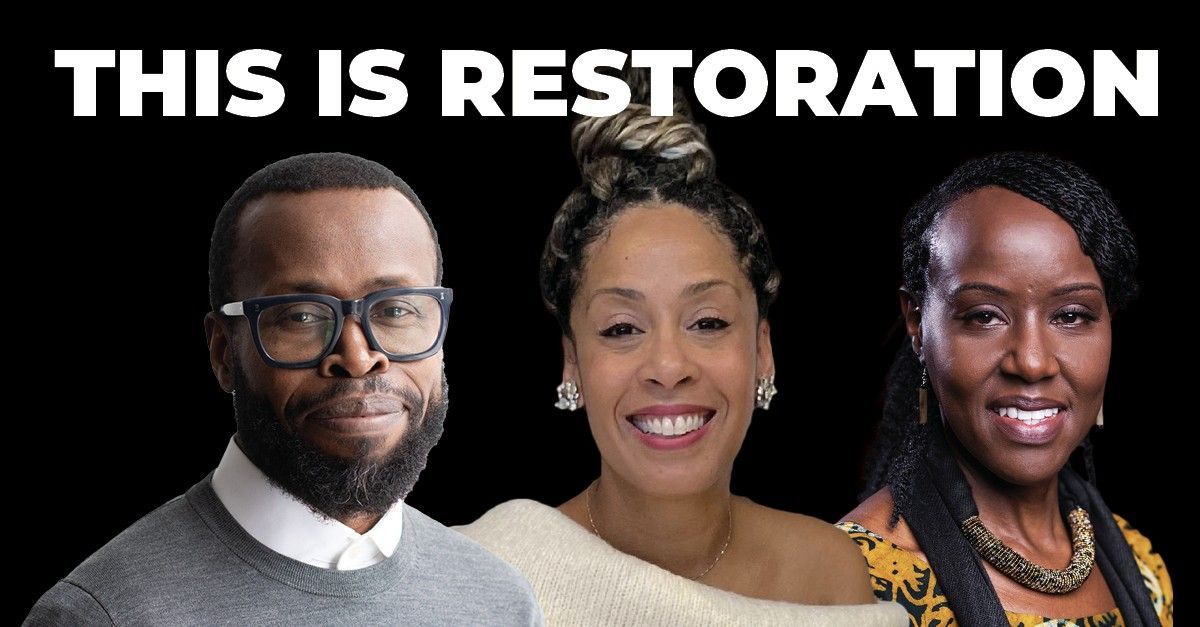
For many of us, this need to belong extends to our infinite capacity to be generous and to give of ourselves to others. That was the driver for the three of us to join AFP GTC. Not a desire to be seen and esteemed but to humbly serve our fundraising community with the inherent assets we possess: mind, body, and soul. 


The three of us entered into the board environment with good intentions of contributing our thought leadership and our lived experiences as Black fundraisers. However, our Board colleagues were skeptical, distrusting, and perhaps even fearful of our participation as equals. What was demanded of us was to be present in body for the sake of diversity optics but absent in spirit and in the expressions of our minds.


When we spoke up about the acts of discrimination we experienced, we were humiliated and threatened with exclusion and legal repercussions, which ultimately led to our principled decision to resign from the AFP GTC board in 2019.


Our journey for an unbridled apology has taken almost four years. It came not as a result of self-reflection within AFP Global and the movement in general, but by a brave few who stood with us and grew to pressure AFP. The rising movement for racial justice, accountability, and transparency echoes the essence of belonging, community and togetherness. Attributes which we have sought from the very beginning of our protest.


Now that closure is being fulfilled, we look forward to AFP honouring the experiences and contributions of Black people. We look forward to how a re-envisaged organization in GTC will be actualized. We anticipate the cultivation of belonging spaces, not solely for ourselves but for all those who have felt excluded, marginalized, ignored or mistreated by people within the very body whose purpose it is to protect and represent them. 


Our gratitude to all those faithful activists, co-conspirators and AFP chapters that spoke out, stood up and petitioned. By making our collective voices heard, we have shown that we each have the power to change our Association, our communities, and our places of work for the better. We have been fearless, brave and principled so that equity and justice may be achieved for the many by the many!


"Change will not come if we wait for some other person or some other time. We are the ones we've been waiting for. We are the change that we seek." ~ Former President Barack Obama


In Solidarity,

Nneka Allen, CFRE, COC, PCC, Múthoní Karíukí HBSc, MPNL, CFRE 

More from Giving Black™
By Mide Akerewusi • September 30, 2026
Dreams do come true. On the eve of the Giving Black Virtual Conference and Soirée, I am reflecting on my learning journey since planning our incredible gathering. This is literally a dream come true. I had thought about a climate action conference that tells the varying histories and stories of Black and Indigenous people as stewards of land, sea and air, and here we are. As we enter the Fall, I'm considering climate action in the context of the things I knew nothing about but learned on the way as a convenor of this important Black climate action discussion. July was a memorable month. My long-time friend from London, Englan d, Chris East BSc hons MCIOF was visiting Toronto for a conference. We met on July 15, on a day when the sky turned orange and the air became thick with smoke. Wildfires burning across northwestern Ontario had sent smoke hundreds of kilometres south, filling Toronto’s air with fine-particle pollution. For much of that morning and afternoon, Toronto sat at the top of global air-quality rankings. I tried to convince my friend that this was not a typical day in Toronto but we both feared it may become a trend.
By Mide Akerewusi • August 24, 2026
My Friend and Brother Julius Lindsay (he/him) a gifted and talented Climate Action expert posted a message that deeply resonated with me this morning. Here it is and below is my response: Julius Lindsay (he/him) Orginal Message... I recently had a meeting with a colleague who congratulated me on the stuff they had seen on here of all I have been up to this year.I've been bus y: moderating, panels, writing, winning awards. I've been doing a lot. By a lot of standards I've been winning, literally and figuratively. My feed looks great.And yet I am still unemployed. Contract work has been hard to find. Grants for projects have been hard to come by. I'm worried about my financial situation.I had a Black colleague say they thought I was too slick to experience harm and racism. Probably partially driven by that ongoing winning in my feed.And yet I have had some really traumatic experiences in this work, some of them play out in public spheres (if you've been here a while, you've seen some of them). I feel like as a Black person its impossible to avoid them. And their weight endures years after they happen.This is the duality of working in the this field, existing in this time, social media vs. real life. The internal and external struggles not always showing up, the shiny things being most visible.I'm doing my best to do what I can to figure things out and get to a better place. But it's hard, especially on days when the sky is orange.I don't have some grand declaration at the end of this post. Don't take this as a cry for help (although help is appreciated!) but just as a quiet reminder that visibility isn't reality and people might be struggling more than you think. Check on YOUR people. Mide (Olumide) Akerewusi, B.Sc., M.Sc. (Econ), CSR-P, CDEP. Response.... Bro! Thanks for sharing. You are one of the most gifted Climate Action experts I know, and I have HUGE admiration for you. There is never a time we meet that I don’t leave FAR BETTER informed than I was before. Your contribution to the Climate Action landscape has totally changed my mindset and that of several others in our community! Our sector is fortunate to have you. And I feel that we are all genuinely in awe of your awesomeness. Could it be that while we personally struggle, others do too? But perhaps our struggles as Black men in various sectors are compounded, and complicated by the systems we work in, and the skin we are in, and what that skin represents, and how we are perceived and treated? The propensity to have our work trivialized, reduced, erased, and othered, viewed as less-than, and inconsequential, something that the mainstream can survive without and does not need; is so thick, I sometimes feel as though I can cut it with a knife and serve it as a bitter dish! For sure we experience success. It's not all doom and gloom. But Black success seems to have a short life-span in comparison. We are cameos, seldom ever the bright burning stars of this rolling movie... What Happens When We Feel The Pinch? What happens when we all feel the economic pinch? For sure, some feel it more than others, especially Black, Indigenous, and intersectional folks. Perseverance is our only choice! Giving up is not an option. When hardship becomes too hard to bear, we need people around us to provide that extra level of support. I love support because at its best, it has mutual benefit. But we need more of it because what we carry requires more energy. Do you know what I mean? Unicorn Black Men And Universal Issues Brother, I’ve had loads of conversations about the importance of Black and Indigenous voices in the Climate Action space, since focusing this year's Giving Black Conference on this issue. And I’m often met with curiosity about why such a distinct voice is even necessary. There seems to be an indifference within the climate sector towards racialization, while across the broader non-profit sector there is still inertia about how deeply climate affects our collective health, artistic, sporting, social and economic wellbeing. When we turn up in our Blackness, things are sometimes not viewed in the same way. You, my brother (along with many other Black men in the sector - including me), are somewhat of a Unicorn. And Unicorns are not always easy to mainstream - especially in times of collective crisis. Admirers, Admirers, Everywhere, And Not A Job In Sight Despite our many admirers, we remain on the periphery of full acceptance/integration into the systems of Contracts, RFP's, Engagements, and Paid Work. We are are often remote from consistent opportunity! I hear you when you speak about the difficulty of navigating this moment as a Black man in the sector. It’s real, for REAL, and I respect you for making the distinction between accolades and active employment. They are poles apart! I’ve experienced it too. People tell me how successful I am. Ironically, this "success", sometimes, I think, is due to my activism, which in and of itself comes at a price. It's one thing to have an opinion and a position on a principled or divisive issue, and exercise ones liberty to share it with others. It's quite another thing to get work thereafter! Speak and be damned! The Need For Tremendous Leadership I've said many times, our sector has a habit of avoiding the realities we face. We need inner strength to truly fight for what we believe. If we shy from impacting the world, the world will most certainly impact us. Surely, this is the echoing call of Climate Experts such as yourself. And this is an area that requires tremendous leadership - standing up for what we know to be right - despite the price/cost to us personally. And no doubt there must be a price and cost to the equity we pursue. Freedom Ain't Free! Awards, likes and re-shares continue, while meaningful action, employment and practical solutions remain elusive to Black folks in our sector. These are weekly conversations I have had with many people in my network, since the licence to abandon any thought of equity was granted, more than a year ago. There's som ething so necessary and yet so disposable about Black thought these days. This is a conversation I had with our Sister Sade Dozan, CAP®, CFRE on a recent podcast discussion. We Need REAL Solutions That’s exactly why we need to get into these conversations, rather than avoid them. Once again, thank you for sharing such a powerful message, that immediately stirred an emotional and concerning response within me. I'll join you in looking for real solutions that support our perseverance and maybe even changes our respective landscapes. It seems to me that we have many more years of concern to come. One solution is to convene and work things out collectively, rather than separately. I am game if you are. All are welcome to DM me if you agree.... Have Zoom, will set up!
By Mide Akerewusi • August 7, 2026
Happy Black Philanthropy Month (BPM)! As part of agentsC’s multi-year association with BPM, this month, I'm re-exploring The Duality of Giving , reflecting on the rise and reach of African philanthropy as a global phenomenon, and considering what it means for the future of giving. This article is an invitation to join me in discovering the unprecedented rise and recognition of African philanthropy as a force for social and environmental transformation in our world today, not just for one month but for all the months. Before our opinions have a chance to form, we must first be curious. I'd like many more of my peers to be both curious about and interested in Black philanthropy, because I believe it is a gateway to understanding the future of generosity and to supporting us as we change and adapt our fundraising practices. Black Philanthropy and Afrocentric fundraising are practices we should all be stakeholders and investors in. What should we know and how can we identify opportunities to engage people of African ancestry on their terms as they practice traditional Western forms of philanthropy, while also demonstrating the uniqueness of a totally African interpretation of generosity? African philanthropy is one of the world's most generous, and least recognized giving traditions. Firstly, we can pay attention. Secondly, we can document. Thirdly, we can amplify what we see. There are a multitude of global stories , statistics , and surveys that signify contemporary African philanthropy as one of the world's most unique and prolific forms of giving. So why do so few fundraising, philanthropic, and financial services organizations have programs curated around African/Black philanthropic culture? Part of the answer is inertia: fundraising continues to be taught around traditional Western practices. The major gift, direct marketing, capital campaign, and named endowments. African traditions like giving circles, mutual aid, remittances, Ubuntu, Harambee, and Stockvel are not built into fundraising or financial services training. There's also a visibility problem. The evidence of the power of Black philanthropy exists in academic journals and global giving indices, but rarely reaches the rooms where fundraising strategy actually gets written. Our current definition of "best practice" is really “Western Practice”, and this needs to change as the demographics of our populations become more diverse. Its growth and global giving indices and stories rarely reach fundraising strategy and practice During Black Philanthropy Month, Black folks all over the world are collectively acknowledging ourselves as among the most generous people on the planet , including in the USA , where the highest levels of cash donations reside. BPM follows July, where the Black Feminist Fund marked its fifth anniversary, for the first time, in London UK. On September 2, I’ll be delivering a keynote video at the IFC Pop-Up, Cape Town , where African fundraisers will network, share, and be equipped with tools for fundraising leadership on the continent and around the world. Fast Forward to October 1, agentsC Inc. will launch our sixth annual Giving Black Conference and Soirée . You are invited! As someone who grew up in a Black community surrounded by abundant examples of African and Caribbean generosity, I often reflect on what philanthropy means to me. I describe philanthropy in African terms as, a reciprocal exchange of generosity, rather than transactional support from one to the other or pity for someone else. Admittedly philanthropy practiced by people of African ancestry can be like most other cultural philanthropies, paradoxical: seemingly worlds apart , and at other times definitively rooted at home . And yet, it’s our job to try to better understand what we are seeing and to try to shape and inform its direction. We should recognize, document, and amplify Black philanthropy all year round Let’s acknowledge that we are at the dawn of a new era of generosity in Black culture. One that can both fund and underpin our desire to improve our world. African approaches to generosity are both ancestral and contemporary. They deserve a rightful place of belonging in the many global narratives about giving. The Duality of Giving shows us that such is the generosity of African people that we support on average six causes a year including our donations to charities, family, friends, and faith groups. We can do so much more to harness this scale of giving that is continually growing and already at unrivalled and unprecedented levels. To begin, let’s stem the paucity of curiosity, let’s all tell our stories, let’s delve into the research, then let’s get practical by building and testing Afrocentric donor programs, bringing our fundraising practices into the realities of the universality of cultural diversity in the 21st century.  If you'd like to know more about Black Philanthropy Month, Giving Black, Black Philanthropy, or Afrocentric fundraising programs, you can DM me at mide@agentsC.ca to request a conversation. Happy Black Philanthropy Month… I am Black Philanthropy…I am Excited! Olumide Akerewusi. 🖤 🖤🖤

Stay Connected


Join our mailing list to receive conference updates, speakers announcements, and opportunities to engage with the Giving Black community.